
N.White Systems · Interactive simulations
See how I turn fragmented work into a system that serves your customer better.
I connect websites, AI, automation, CRM, data and delivery around one clear outcome—so you can see what happens, where judgement belongs and what improves.
 N.White Run
RUN
NW-2408Illustrative simulation · No live customer or operational data
Live run mapCustomer journey
ExecutingWatch the work happen
Watch every hand-off become a useful outcome.
I show the work moving through AI, systems, human judgement and recovery—live.
N.White RunReady
RUN-01Live workflowRequest to outcome
ReadyLIVE WORKBENCHRelease software with fewer surprises
Step 1 · Active- Input
- Context
- Work
- Checks
- Review
- Action
- Outcome
Connect enquiries to the right next step↵
IntentService enquiryContext retained
Customer · 09:42I need a clearer route from enquiry to delivery.
Context addedPlatformDiscoveryConsented
Suggested routePlatform discovery
94%Response ready
AIRoute agentWorking
↳Need
◇Safeguards4 passed
●ReviewRequired
SEV 2
- 09:42Signal detected
- 09:44Traffic contained
- 09:46Recovery runbookRunning
- 09:49Health restoredVerified
ADR · 04
◎WebEdge
⌘ServiceProvisioned
▤CRMConsented
⌁HealthObserved
TS route-enquiry.ts ●✓ route-enquiry.test.js
1// Keep consent and context together2export const routeEnquiry = async (request: Enquiry) => {3 const consent = await checkConsent(request);4 if (!consent.recorded) return holdSafely("review");5 return assignOwner({6 enquiry: request,7 source: request.source,8 nextStep: "platform-discovery",9 });10};codex/safe-routeLn 4, Col 63UTF-8TypeScript
TERMINALOUTPUTPROBLEMS 0⌃
PS npm run check✓ route keeps consent context✓ review gate stops safely2 tests passed 842msThe change releases or rolls back with the reason visible.
The change is released progressively or rolled back with the reason still visible.
I connect review, testing, supply-chain checks, preview, release judgement and health verification.
- What connects
- change → tests
- Current status
- Ready
- What happens next
- The intended change is made clear
Read every workflow
Open any workflow to read each step, decision and outcome.
Turn search interest into a qualified enquiry
People can find useful information, but the next step is unclear or loses its context.
I connect useful content, consent, qualification and CRM so an enquiry can move forward without losing the customer's intent.
- A customer need becomes visible A customer's need enters the journey without being reduced to a channel or tool.
- The request is understood The agent identifies the subject and level of intent without inventing personal information.
- Useful guidance is matched The most useful explanation is matched before contact details are requested.
- The next step becomes clear The page connects the customer's problem to one understandable action.
- Permission travels with the enquiry Permission and purpose stay attached before personal details move into business systems.
- Readiness is reviewed A person can confirm whether follow-up is useful or another path fits better.
- The enquiry reaches the right record Consent, source and context arrive together so the next response can remain accountable.
Not ready: Useful self-service guidance remains available until the visitor is ready.
Outcome: A useful enquiry reaches the right next step with consent, context and source intact.
Give every enquiry a clear next step and owner
An enquiry exists, but responsibility, context and the expected response are unclear.
I connect identity checks, permitted context, routing and ownership so the customer knows what happens next.
- The enquiry enters one clear journey The consented enquiry enters one visible journey instead of disappearing between channels.
- Existing context is checked Existing records are checked before another fragmented customer identity is created.
- Permitted context is prepared Permitted source and service context give the next owner enough information to respond usefully.
- The next route is explained Clear routing rules make the proposed next step understandable and reversible.
- Responsibility becomes visible A named person receives the enquiry and an explicit response expectation.
- An appropriate response is prepared The prepared response reflects the customer's need, route and recorded permission.
- The next step is recorded The owner, source, response and next step remain connected for improvement.
Uncertain match: The enquiry pauses for review rather than being assigned or discarded silently.
Outcome: The enquiry has a named owner, an appropriate response and a measurable next step.
Move an AI idea into a dependable service
An AI idea can produce output, but its boundaries, review points and recovery path are not yet dependable.
I make permitted context, safeguards, human judgement and bounded action visible around the AI task.
- The permitted job is made clear A person confirms the job, intended user and actions the service may take.
- Only permitted context is available Only approved data and tools are available to the service.
- The bounded task is carried out The AI agent works within the visible boundary and prepares one proposed result.
- The proposed result is checked Safeguards examine the proposed result before it can influence another system.
- Judgement returns to a person Sensitive or uncertain work pauses with enough context for accountable judgement.
- The service proceeds or stops safely The approved action proceeds once, retries within a boundary or stops visibly.
- The decision and outcome stay connected The decision, action and outcome remain connected so responsibility is clear.
Review needed: The service stops safely and gives a person the relevant context.
Outcome: The service can proceed, stop or ask for review without hiding responsibility.
Recover from disruption with clarity
A signal exists, but impact, ownership and the safest response are not yet clear.
I connect detection, triage, containment, recovery and learning around one accountable response.
- A meaningful change is detected A meaningful service change becomes visible and starts one accountable response.
- Related signals become one incident Related signals are combined so the affected customer journey is easier to understand.
- Impact and response are reviewed A named owner reviews impact, confidence and the appropriate response path.
- Further impact is limited The workflow limits further impact while keeping the information needed for recovery.
- A bounded recovery action runs A known recovery action runs once, or responsibility passes to a responder.
- Recovery is checked Service and security checks confirm whether the intended state has returned.
- The next improvement is retained The timeline and next improvement remain available after service is restored.
Recovery did not work: The issue passes once to a responder with the full context, avoiding endless retries.
Outcome: Recovery is checked, ownership remains visible and the next improvement is recorded.
Turn a business requirement into an operable platform
A business need is understood in broad terms, but service boundaries and operating decisions are not connected.
I connect discovery, architecture, delivery controls and readiness around the outcome the platform must support.
- The outcome and constraint are captured The desired outcome, users and important constraints become one shared starting point.
- People and systems are connected The agent connects customer steps, responsible people and supporting systems into one service view.
- Important decisions become visible An accountable owner confirms boundaries, trade-offs and decisions that affect operation.
- The agreed service is assembled The agreed components are assembled around the service boundary rather than isolated features.
- Controls are checked before release Quality, security and data controls are checked before the platform can move forward.
- Operating readiness is reviewed The service owner confirms support, monitoring, recovery and operating responsibilities.
- The platform moves into service deliberately The platform enters service deliberately with ownership and acceptance still visible.
Readiness gap: The unmet requirement returns to its named owner before release.
Outcome: The platform has clear boundaries, tested controls and an accountable route into operation.
Release software with fewer surprises
A change is ready to move, but quality, security, approval and recovery evidence are spread across tools.
I connect review, testing, supply-chain checks, preview, release judgement and health verification.
- The intended change is made clear The intended customer or operating change is stated before implementation begins.
- Quality checks run Automated and human checks confirm that the change behaves as intended.
- Dependencies and artefacts are checked Dependencies, artefacts and configuration are checked before release judgement.
- The change can be reviewed safely A safe preview makes the proposed change understandable before production release.
- Release judgement stays visible A named owner reviews readiness, impact and the available recovery path.
- The change moves in controlled stages The change reaches a limited audience first while health remains visible.
- Health is verified or the change rolls back Customer and service health determine whether rollout continues or returns to the last healthy version.
Health check failed: The rollout stops and the service returns to the last healthy version.
Outcome: The change is released progressively or rolled back with the reason still visible.
Choose a starting point
Choose the result you want to improve.
You do not need to diagnose the technology first. Select the situation closest to yours and I will show how the moving parts can work together.
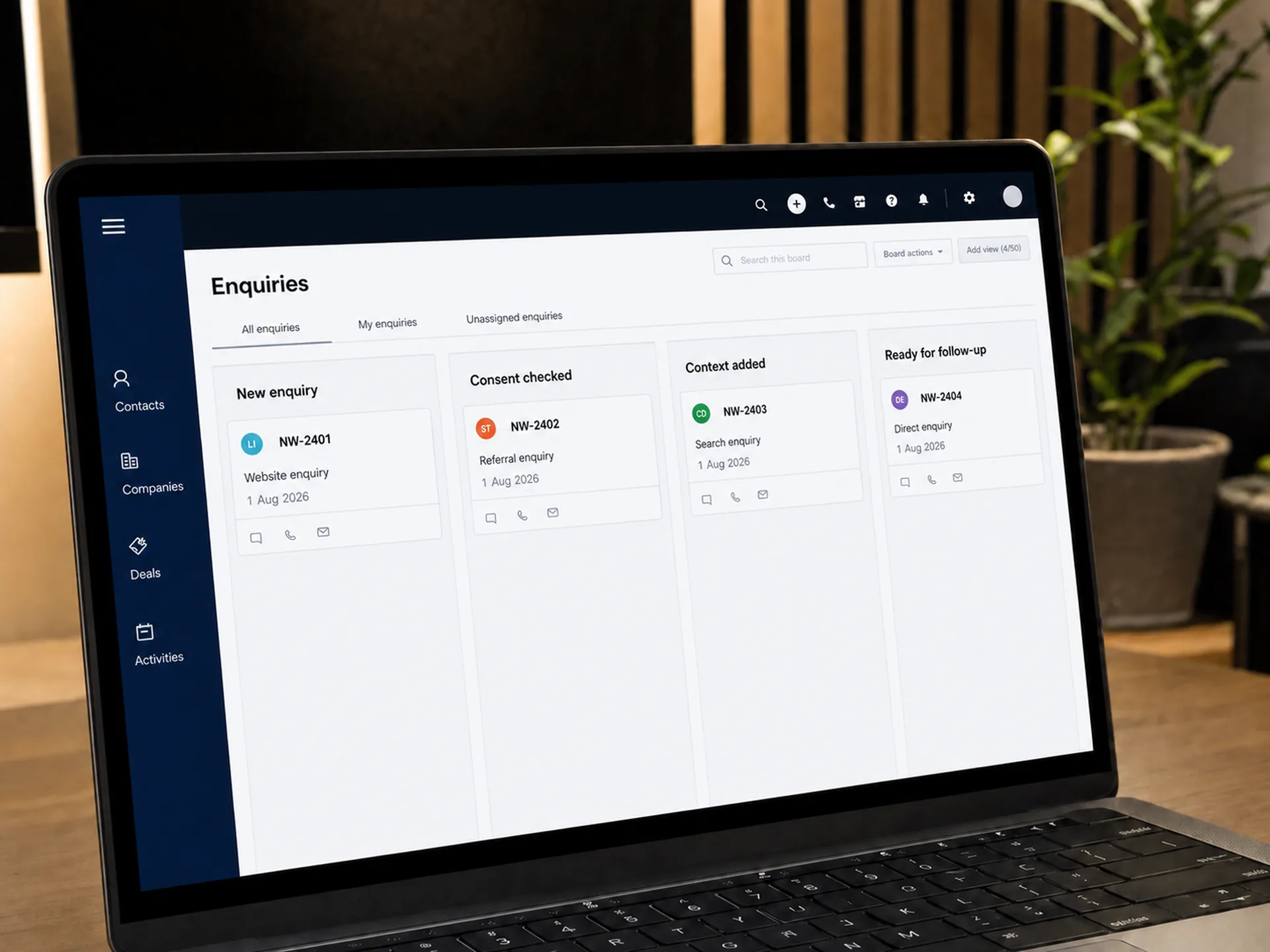
01
Turn interest into a useful next step
I show how search, content, consent, CRM and follow-up can become one accountable customer journey.
Watch this outcome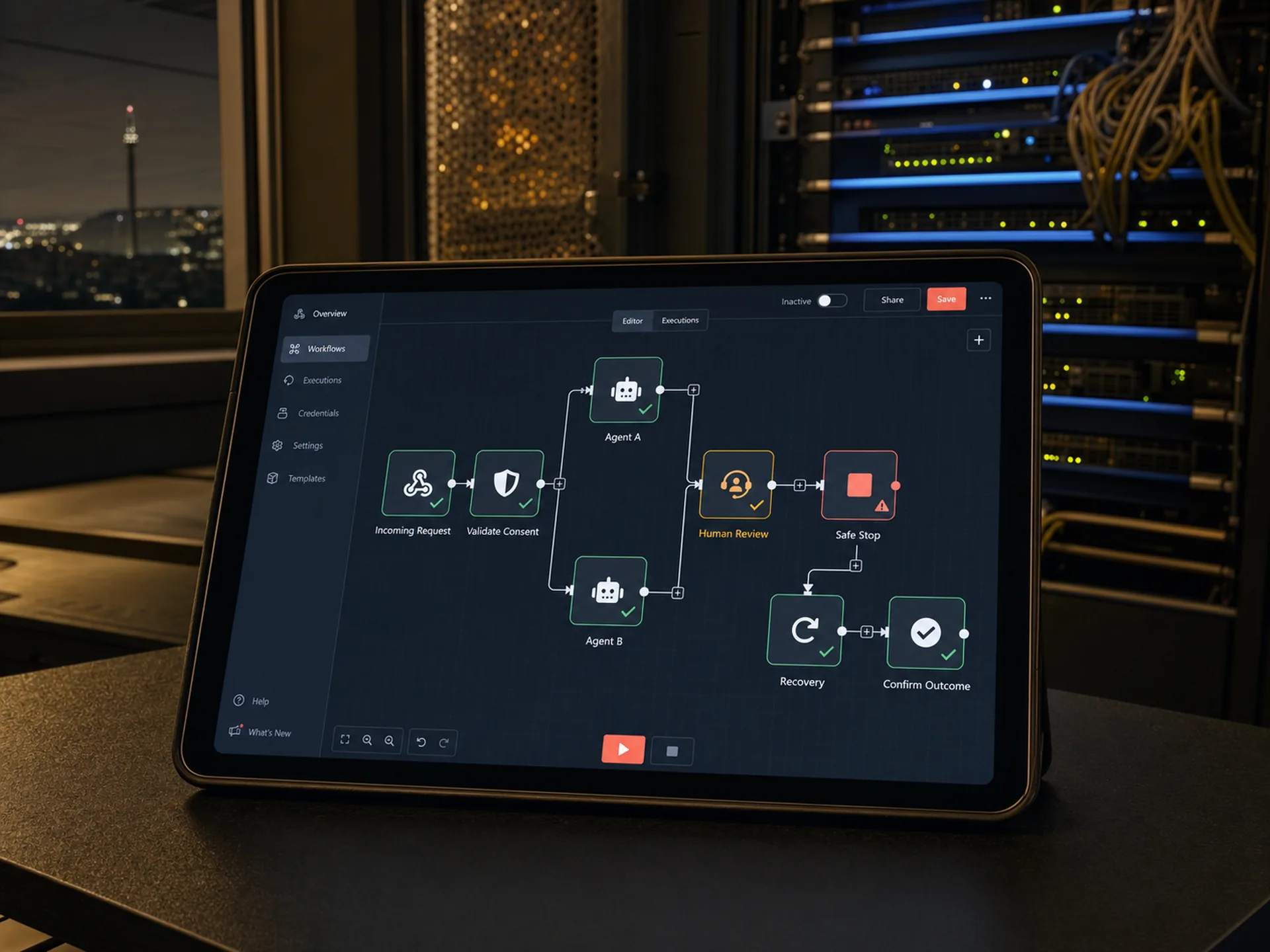
02
Move AI from pilot to dependable service
I show how AI and automation can work within clear boundaries, visible ownership and practical recovery.
Watch this outcome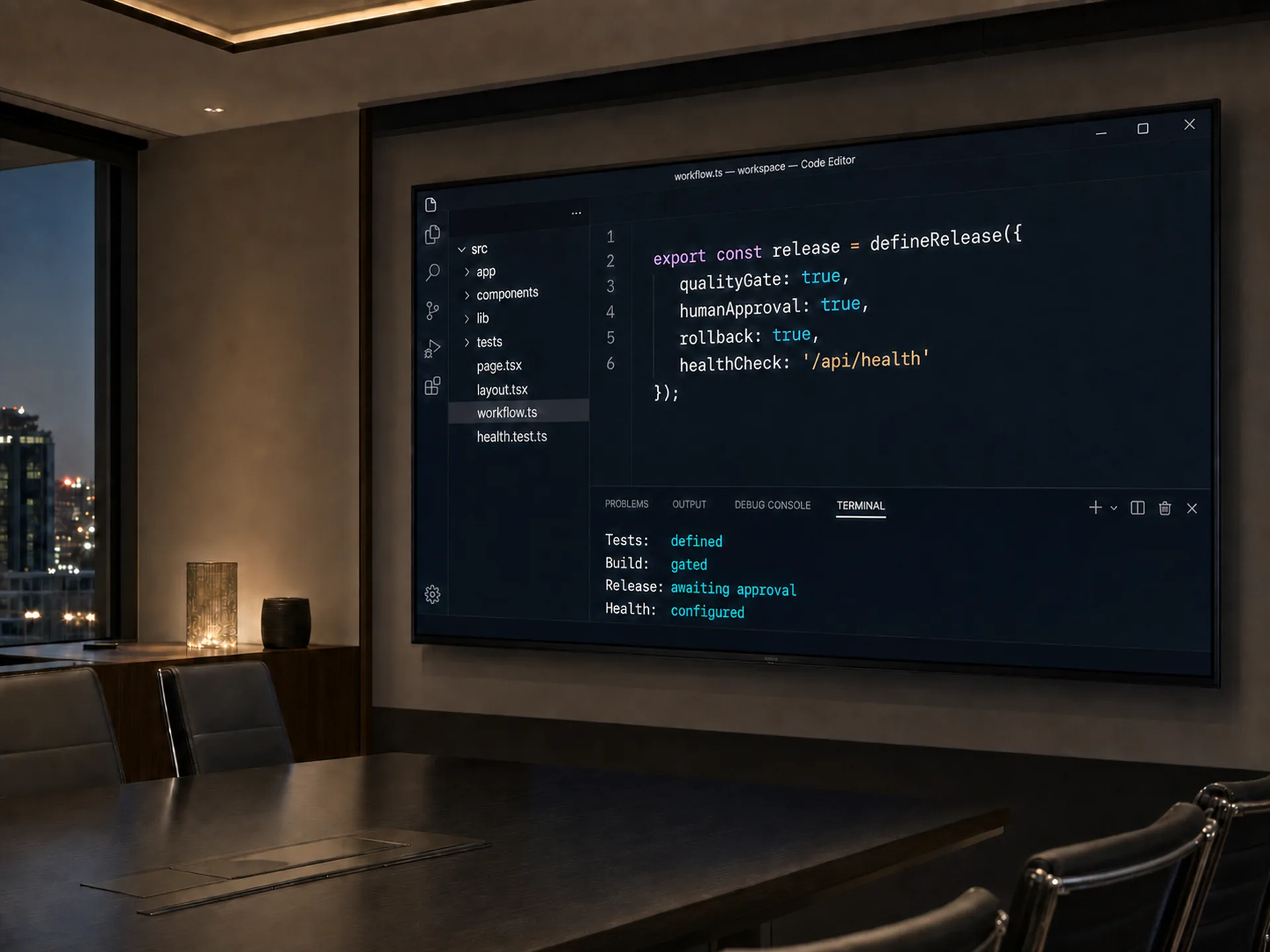
03
Make delivery safer and recovery clearer
I show how requirements, architecture, delivery and validation can move towards an operable platform.
Watch this outcomeWhat I connect
See the systems in motion.
I connect the customer journey, AI and delivery so every hand-off stays visible.
3 journeys · 12 hand-offsCustomer journey
Connected- Websites and content
- Search and discovery
- Consent and CRM
- Measurement and follow-up
AI and control
Connected- Governed AI
- Workflow automation
- Monitoring and ownership
- Safe stopping and recovery
Platform delivery
Connected- Discovery and requirements
- Cloud and system architecture
- Software delivery
- Readiness and resilience
Start with the work
Where is work getting stuck?
Tell me which customer journey, hand-off or repeated operational problem you want to improve. I will help you identify the right starting point before choosing the tools.